Many of the nation’s largest corporate employers are allowing workers to access earned wages before payday, and discovering it is an employment benefit in high demand. At some companies, the option has become even more popular than 401(k) plan participation.
This development should not come as a surprise as the affordability issue that has gone nationwide has stretched the budgets of many Americans in recent years. While the new way to get wage income early avoids the need for workers to tap predatory payday loans, consumer critics are concerned that it is still a form of lending, and largely unregulated. Consumer groups say wage advances can be riddled with fees and in some cases, similar to payday loans, can lead America’s most vulnerable workers into an unhealthy debt spiral.
Here is a primer on the benefits, its evolution, and both sides in the debate.
The major players in the space
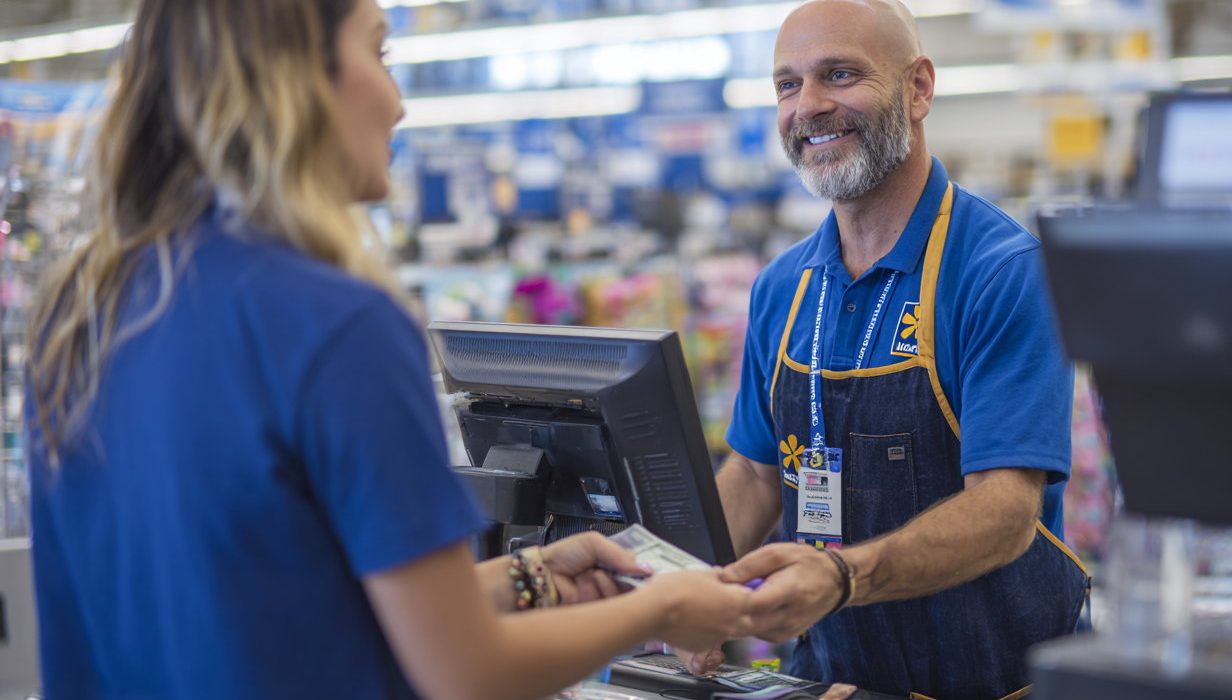
What’s known as earned wage access, on-demand pay, same-day pay and other monikers has increased significantly in the last several years, with companies such as Earnin offering direct-to-consumer services. Other companies in the space, including DailyPay, Payactiv and Stream offer their services through employers. A 2024 report from the International Foundation of Employee Benefit Plans found that earned wage access was offered by 2.5% of corporate employers, and among them are some of the biggest of all: Walmart, Amazon, Target, McDonald’s, Uber, Lyft, Taco Bell and Arby’s. Programs vary by employer and the earned wage access provider.
Why usage is growing
The Consumer Financial Protection Bureau estimated that the number of transactions processed by these providers grew by over 90% from 2021 to 2022, with more than 7 million workers accessing approximately $22 billion in 2022. The debate continues to percolate as many American workers struggle to make ends meet. Covering monthly expenses remains the most unmet need for employees, according to a recent Mercer report. According to widely cited 2024 data from the Federal Reserve, 37 percent of adults say they could not cover a $400 emergency expense with cash or cash equivalents.
EWA providers point to that need. Employees lose an average of $300 every month to avoidable fees, penalties and high-interest credit to bridge the gap between paychecks, according to EWA provider Payactiv.
The distinction between an advance on pay and earned pay
The industry says any comparison to the payday lending industry is misplaced and access to already earned wages is distinct.
“Responsible EWA is an important employer benefit for employees and potential employees who are able to access their wages on their own terms and timeline,” said Phil Goldfeder, chief executive of the American Fintech Council, a trade group. “EWA serves as a critically important alternative to high-cost predatory and payday loans and has become an important tool for consumers to avoid debt,” he said.
The industry says classifying EWA as a loan could have the perverse effect of sending consumers back to higher-cost, risky alternatives such as payday loans or pawn shops by imposing unnecessary restrictions, such as mandatory fees, interest charges and credit reporting requirements.
What earned wage access providers say about employee and employer response
EWA providers say employees who use the services have better outcomes and that it ties employees to their company. Stream says 90% of members feel more positive about their employer and 76% feel more in control of their financial goals. The company also cites a 25% reduction in absenteeism and says 21% more shifts are filled.
Nelson Chai, CEO of DailyPay, recently told CNBC there are more than six million employees at companies across the U.S. who are eligible to use its services and about 34% of them have opted in.
Employers are also seeing benefits, according to Chai. “What we have found is that companies we partner with have seen attrition drop by about 30%,” he told CNBC. He added that employees on the DailyPay platform over-index when it comes to picking up extra shifts as well “because they’re watching their balance grow.”
DailyPay data also shows a drop in attrition rates among frontline workers from a typical 40% rate to 25% when the benefit is available.
Why consumer advocates are worried
Consumer advocates say EWA should be regulated as a credit product. They contend that consumers often pay high fees to access their money early and that EWA providers and employers don’t protect consumers against pledging the same funds to multiple lenders. Without adequate regulation, consumers can easily spiral into debt, advocates say.
To be sure, consumer advocates don’t take issue with employees accessing their money for free. “We don’t oppose completely free earned wage advances and believe that employers and payroll providers can easily offer the service for free, as some do,” said Lauren Saunders, associate director and director of federal advocacy at the National Consumer Law Center, in an email. She added the caveat that “making it easy to spend next week’s pay on this week’s expenses can make it difficult for people to manage their finances and pay large monthly bills like rent.”
However, they say, it’s not how the products are typically designed or used by employees, with many not using the free options and instead paying to get fast access to their funds. The CFPB estimated that employers it polled using data from 2021 and 2022 subsidized less than 5% of total fees. The CFPB also found that about 90% of workers paid at least one earned wage product-related fee. The average cost per transaction ranged from $0.61 to $4.70. Workers paid an average of $68.88 per year in fees, according to the CFPB.
“They’re designing the products in such a way to encourage smaller loans to get more fees,” said Yasmin Farahi, deputy director of state policy and senior policy counsel at the Center for Responsible Lending, a nonprofit focused on fair and equitable lending practices.
What are the free options for paycheck advance
There are other options to these services that are free, depending on a worker’s existing relationships with the financial services industry. Consumers can get their pay a few days early through some banks and credit unions. Firms such as Capital One, Regions and Wells Fargo offer free access to direct deposit customers up to two days earlier than their traditional payday.
But many employees like the flexibility of earned wage access because they can access their funds even earlier — on demand — even if it involves a fee. Indeed, the market for employer-partnered earned wage products continues to grow rapidly.
Every DailyPay user has two fee-free ways to access their pay, alongside an instant option for a small flat fee, according to a spokesperson. The company also partners with some employers that fully or partially subsidize costs to ensure a 100% free experience for their workforce, the spokesperson said. According to company data as of December, 33 million fee-free transfers have been made by users.
For example, employees who sign up for DailyPay through Target can access their earned pay at any point and transfer the money to a bank account, pay card or debit card at no cost in one business day. It costs $2.99 per transfer for instant access to funds. A spokesperson for Payactiv said zero-cost disbursement options are included in employer programs by default.
Legislative action could be next
The American Fintech Council has been working with both parties in Congress to reintroduce EWA legislation to replace an earlier bill introduced last year. The bill would codify best practices for providers, define that EWA is not a loan and ensure strong fee disclosures, among other things.
In January, a draft bill was circulated for commentary in the House of Representatives’ Financial Services Committee. It was introduced by Rep. Bryan Steil, R-Wis, and Rep. Ritchie Torres, D-NY, and would prevent EWA from being classified as a credit product as well as preempt opposing state laws.
Meanwhile, around a dozen states have legislation regulating earned wage access to different degrees, and multiple others have laws under consideration, according to the American Fintech Council. There are also court fights underway.
Last year, for example, the Attorney General of the State of New York sued DailyPay, alleging the company engaged in illegal and deceptive lending practices by offering paycheck advance services that function as payday loans disguised as EWA. DailyPay filed a motion to dismiss in December, and the New York attorney general’s response is due in early March. There are also pending lawsuits by consumer attorneys taking aim at EWA business practices.