
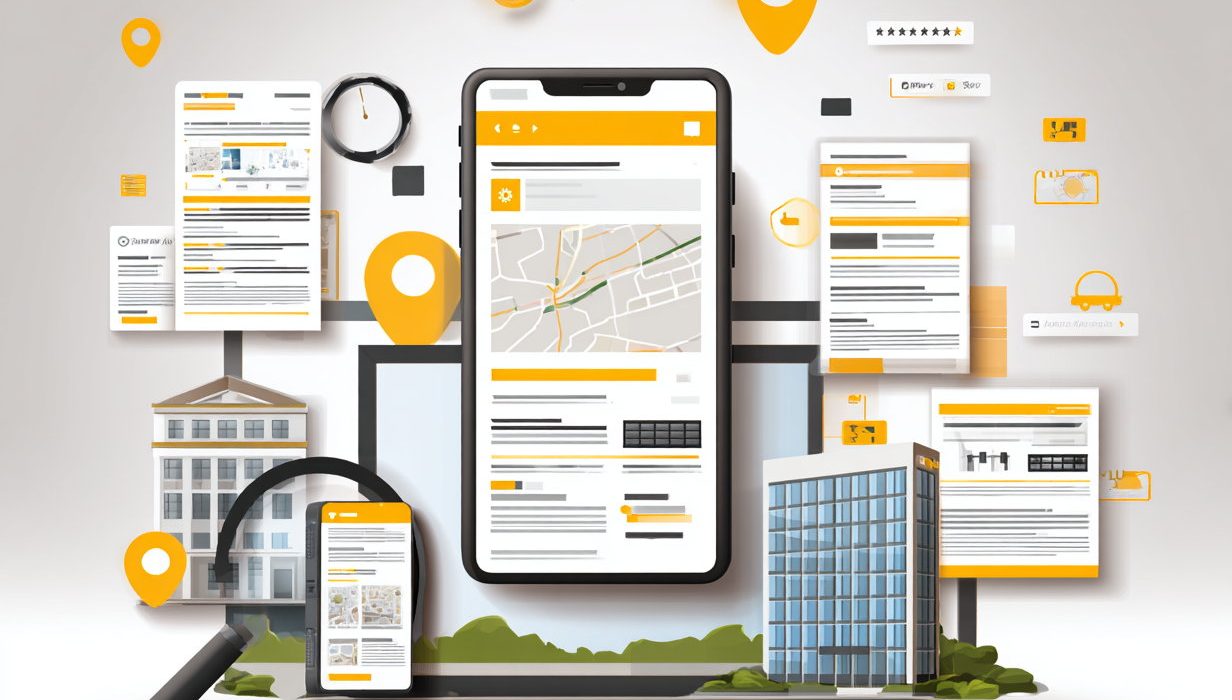
A successful commercial real estate marketing campaign relies on integrating diverse digital components to reach a global audience. While traditional print media remains a staple for many brokers, digital platforms provide a competitive edge by expanding reach and targeting specific investor demographics without requiring a significant budget.
1. Leverage an ILS like CommercialCafe
Internet Listing Services (ILS) are the primary tools for generating high-volume leads and immediate visibility for commercial properties. Depending on your specific asset class—whether office, industrial, or retail—selecting the right portal and crafting a compelling listing is crucial for engaging the intended audience.
- Platform Synergy: Utilizing platforms like CommercialCafe allows your listings to appear across a network that includes PropertyShark, reaching over 2 million combined monthly visitors.
- Resource Management: These services often provide free broker profiles, unlimited listing uploads, and integrated CRM tools to streamline lead management.
2. Create a Google Business Profile
Google Business Profile (GBP) is the cornerstone of local SEO, as the vast majority of commercial real estate searches are local or hyper-local. By establishing a verified profile, your brokerage can appear in the “Local Pack” and Google Maps results, which often bypass organic rankings.
Here are three additional tips to get more out of GBP:
- Vacancy Promotion: Optimize your business profile by using the “Product” listing feature to showcase specific property vacancies directly in the search results.
- NAP Consistency: Ensure you have strict Name, Address, and Phone (NAP) consistency across all digital platforms to improve search engine trust and ranking reliability.
- Social Proof: Actively encourage tenant reviews; a large number of high ratings boost your prominence in local search algorithms, signaling that your business is a trusted local authority.
3. Establish an Active Social Media Presence
Social media platforms act as tailored distribution channels that allow brokers to engage directly with specific market niches. Success in social marketing requires a platform-specific strategy rather than a “one-size-fits-all” approach.
A great way to build engagement is by industry-specific hashtags on X to join broader market conversations. Another option is posting high-quality visual aesthetics for platforms like Instagram, or celebrating wins and partnerships on LinkedIn.
However, keep in mind that maximizing rewards on social media requires consistent interaction with users and sharing expert opinions on current market trends.
For one more tip, social sharing buttons on your primary website can empower visitors to act as secondary promoters of your listings.
4. Create Compelling Online Content
Consistent blogging and content creation establish brand authority and are the most effective long-term strategies for improving organic search rankings. Research indicates that high-frequency publishing can greatly boost website traffic compared to sites that only post with a low frequency.
- Optimization for “Rich Snippets” (Schema Markup)
Technical SEO is as important as the prose itself. By implementing RealEstateListing Schema, you provide structured data that allows AI and search bots to read property specs—such as price, square footage, and availability—instantly. This increases the likelihood of your listing appearing as a “Rich Snippet” at the top of Google.
- Hyper-Local Market Insights
To rank for specific neighborhood searches, you must promote the area as much as the listing. Include any insights or data you have on areas of your market you want to focus on. This can include anything from major sales, urban renewal projects, recent zoning updates or upcoming infrastructure projects (like transit expansions). This can help turn you into an authority source for that area and help your rankings for “long-tail” keywords that include it.
- Content Collaboration
Guest posting on third-party sites or engaging in content exchanges can generate valuable backlinks, further boosting your domain authority.
5. Leverage “PropTech” & Virtual Walkthroughs
High-quality immersive content, such as 360-degree walkthroughs, increases “dwell time,” signaling to search engines that your website provides superior user value. Modern SEO algorithms prioritize pages where users stay longer, and virtual property tours are the most effective way to reduce bounce rates.
- Neighborhood Context: Beyond the property, simple video overviews of the surrounding neighborhood demonstrate local expertise and provide context for remote investors.
- Social Media Integration: Utilize short-form stories on Facebook and Instagram, or even YouTube Shorts, to share clips of these tours, driving social traffic back to the full listing on your site.
6. Participate in Property Forums and Online Groups
Forums and niche industry groups serve as high-intent hubs where buyers and investors conduct deep-dive research. By providing value in these discussions, you position yourself as a market expert rather than just a salesperson.
Platforms that you can target include:
- Reddit: r/CommercialRealEstate and location-specific subreddits
- Facebook Groups: Industry-specific and local market groups
- LinkedIn Groups: Professional real estate networks
- BiggerPockets: Investor-focused community engagement
Whichever platforms you choose, keep in mind these best practices when engaging with CRE professionals and business owners online:
- Provide valuable insights without overtly promoting listings
- Share market knowledge and answer questions thoroughly
- Include subtle website links in helpful responses
- Build relationships before promoting properties
7. Implement Email Marketing & Newsletters
Email marketing provides a direct, “owned” channel to nurture leads and keep your listings top-of-mind for a curated list of investors.
Unlike social media, email allows for hyper-segmentation, ensuring the right property reaches the right buyer. For the best results, you should segment your campaign by categorizing by asset class (e.g. Industrial vs. Office) to increase open rates and click-through depth.
Additionally, follow-ups should be automated for new listings to ensure immediate eyes on fresh vacancies.
8. Utilize Paid Search (SEM) for Instant Results
Paid search, such as Google Ads, offers immediate visibility for high-intent keywords that are too competitive to rank for organically. This “pay-to-play” model is ideal for time-sensitive listings or high-value flagship properties.
- Keyword Targeting: Bid on specific phrases like “warehouse for lease in [City]” to capture users at the bottom of the funnel.
- Ad Extensions: Use location and call extensions to make it easier for prospects to contact your brokerage directly from the search result.
9. Execute Dynamic Retargeting Campaigns
Retargeting allows you to stay in front of prospects who have already viewed your listing, significantly increasing the likelihood of a return visit. This creates a “multi-touch” experience that builds brand familiarity over time, giving additional chances of a successful conversion compared to a first-time prospect.
Here are some ways in which retargeting can be achieved and perfected:
- Display ads featuring the property can “follow” users as they browse other sites or social media, increasing chances for a successful engagement.
- Focus your budget on users who spent more than two minutes on a listing page, filtering for high-interest leads.
10. Engage in Local PR & Media Outreach
Local PR builds high-authority backlinks and offline credibility by getting your listings or market insights featured in local business journals.
The opportunities for this abound. For example, you can frame major leases or new developments as a community win or a sign of local economic growth to attract media attention.
Any mention you gain in a reputable local news source acts as a powerful vote of confidence for your website’s domain authority in the eyes of Google.